
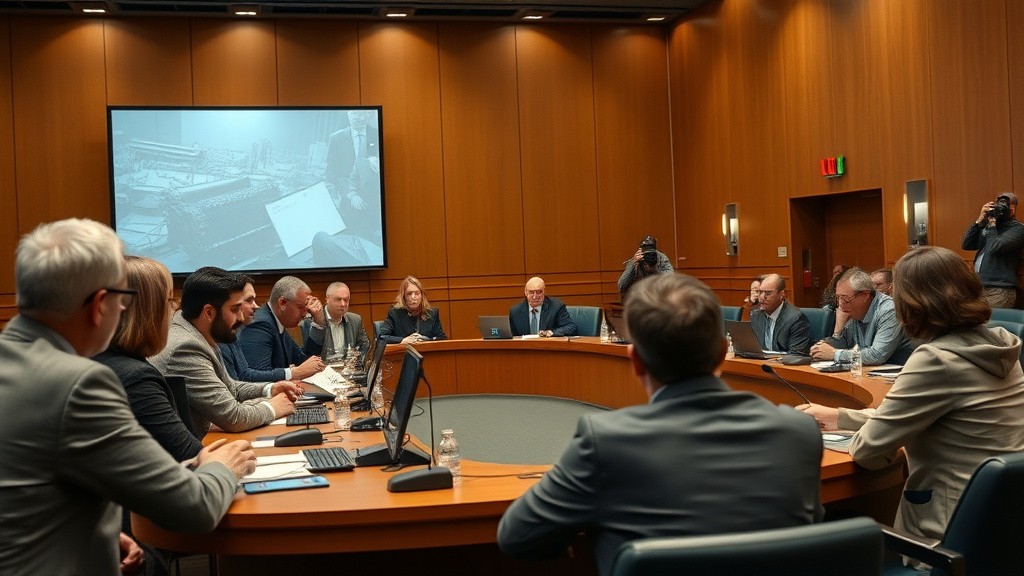
As industrial pollution intensifies dramatically, Congress confronts escalating demands to implement stricter environmental standards that could transform manufacturing standards across the nation. Lawmakers are divided over proposed rules designed to lower pollution and protect ecosystems, while industry leaders warn of potential economic consequences. This contentious debate pits environmental protection against business competitiveness, prompting vital concerns about America’s industrial future. Understanding these regulatory changes is critical to manufacturers, investors, and citizens similarly, as the outcome will substantially affect both environmental quality and financial prosperity.
Legislative Initiative for More Rigorous Environmental Protections
Congress is stepping up efforts to establish more stringent environmental regulations that would fundamentally alter how American industries conduct business. Lawmakers recognize that current standards have become inadequate in addressing pollution and climate concerns. The proposed legislation aims to reduce greenhouse gas emissions, minimize hazardous waste, and safeguard natural resources. Environmental advocates contend that stricter rules are necessary to avert further ecological damage and safeguard public health. However, the debate stays contentious as stakeholders balance environmental imperatives against business interests and implementation challenges.
The policy push behind ecological policy changes has increased substantially over the past year, fueled by constituent demands and research findings of environmental consequences. Republican and Democratic lawmakers are growing more vocal about the urgency of environmental action, though they disagree on particular strategies and implementation schedules. Some advocate for ambitious goals with rapid implementation requirements, while some advocate for phased rollout to minimize business disruption. Business leaders have started participating in meaningful discussions with environmental groups, seeking mutually acceptable outcomes. This partnership model indicates potential pathways forward for balanced regulations that safeguard both environmental integrity and financial sustainability.
Main Proposals Under Review
Numerous extensive proposals are actively being considered in legislative committees, each examining different aspects of industrial environmental consequences. These initiatives include emission reduction goals to waste handling procedures and renewable energy incentives. Supporters stress the long-term benefits of active environmental responsibility, including better air and water quality, lower healthcare expenses, and improved ecosystem durability. Critics voice concerns about implementation expenses and market disadvantages for domestic manufacturers relative to foreign competitors with weaker regulations. The debate revolves around finding optimal balance between environmental protection and economic sustainability.
The proposals under consideration reflect varied viewpoints on environmental controls and industrial responsibility. Some focus on particular industries like energy generation and chemical production, while others introduce broad economic standards. Suggested changes include longer timeframes for compliance, technical assistance programs, and financial incentives for early implementers of green technologies. Stakeholders are working through details regarding monitoring mechanisms, penalty structures, and small business exemptions. These discussions highlight the complexity of crafting standards that properly tackle environmental challenges while staying economically viable for multiple industrial sectors.
- Reduce greenhouse gas output by fifty percent within ten years
- Implement mandatory pollution monitoring and disclosure obligations
- Deploy financial incentives for renewable energy and sustainable technology implementation
- Create stricter standards for hazardous waste disposal and management
- Mandate environmental impact assessments for all major industrial projects
Business Reaction and Financial Worries
Manufacturing industry executives have voiced significant concerns regarding the forthcoming environmental standards, warning that compliance costs could surpass billions of dollars annually. Major industrial organizations argue that stringent emissions standards may push smaller production companies out of business, centralizing market power among bigger companies. Companies fear that elevated operational outlays for pollution control equipment and monitoring systems will lower competitiveness in worldwide markets, potentially causing job losses across multiple sectors.
Economic analysts provide mixed assessments of the regulations’ long-term impact. While some economists suggest that regulatory adherence could spur technological advancement and create renewable energy positions, others contend that transition costs will outweigh early gains. Industry representatives call for longer phase-in periods and financial incentives to cover costs, asserting that abrupt regulatory changes without sufficient assistance programs threaten economic stability and manufacturing viability in the United States.
Industrial Production Impact Analysis
The recommended regulations would impact approximately 15,000 industrial operations throughout the nation, with varying degrees of impact based on industry type and current emission levels. Companies in industrial production, chemical manufacturing, and metal fabrication face the most significant adherence obligations. smaller manufacturers raise significant concerns about funding essential equipment modernization, potentially widening the competitive divide between major global companies and local producers facing financial constraints.
Industry-focused analysis reveals that automotive, aerospace, and electronics manufacturing would require substantial procedural modifications to meet new standards. Companies must allocate resources toward more sustainable manufacturing technologies, enhance facility equipment, and establish comprehensive monitoring systems. The economic impact extends beyond equipment costs to include continuous education, regulatory paperwork, and possible operational disruptions during facility modifications, generating cascading economic effects throughout supply chains and dependent industries.
- Heavy manufacturing sectors face greatest regulatory expenses and equipment upgrades
- Smaller enterprises struggle with affording necessary infrastructure improvements
- Automotive and aerospace industries require substantial operational modifications
- Distribution network interruptions may increase pricing for consumers
- Employment losses worries focused on transition-reliant manufacturing regions
Conservation Groups’ Position
Environmental proponents strongly support the suggested rules, contending that stricter manufacturing standards are essential for safeguarding community welfare and combating climate change. They argue that current pollution levels pose serious risks to communities near industrial facilities, particularly low-income neighborhoods that have historically borne the brunt of environmental degradation. Supporters stress that the sustained advantages of cleaner air and water far outweigh immediate financial changes. They highlight proven global examples where similar regulations have driven innovation while improving environmental outcomes.
Advocates also point out the hidden costs of inaction, such as healthcare costs, environmental cleanup, and climate-related disasters that ultimately burden taxpayers. They contend that manufacturers have been given sufficient time to adapt and that modern technology makes compliance possible without catastrophic job losses. Environmental groups emphasize that investing in cleaner manufacturing practices opens new prospects for green industries and sustainable employment. These advocates view the regulations as an investment in America’s future prosperity and environmental stewardship.
Long-term Health and Climate Benefits
The planned regulations deliver considerable improvements in air and water standards, directly benefiting community health across the nation. Reduced industrial emissions would reduce lung diseases, heart disease, and cancer incidence linked to pollution exposure. Studies show that less-polluted areas result in lower admission rates, reduced medical expenses, and improved productivity. Environmental advocates emphasize that kids living in cleaner environments show stronger learning abilities and more resilient immune function. These health improvements generate significant economic savings for healthcare systems and better living standards.
Climate benefits constitute another persuasive argument for more stringent regulations. By decreasing greenhouse gas emissions from manufacturing, the standards would play a meaningful role in national climate commitments and global warming mitigation efforts. Advocates note that early action prevents costlier climate impacts later, including intense weather phenomena and infrastructure damage. The regulations are consistent with international climate agreements and position America as a leader in environmental responsibility. Ongoing ecological stability supports crop production, water security, and ecosystem preservation essential for sustained economic growth.
- Decreased breathing disorders and enhanced lung health outcomes across the country
- Decreased heart disease death rates in manufacturing areas
- Reduced carbon emissions supporting climate stability
- Improved water quality safeguarding aquatic ecosystems and fish populations
- Decreased healthcare costs supporting economy and families
Path Ahead and Negotiated Approaches
As Congress keeps discussing environmental regulations, stakeholders are growing more aware that polarized viewpoints from either side may slow momentum. Finding middle ground necessitates both conservation supporters and industry representatives to acknowledge legitimate concerns and work toward mutually beneficial solutions. Current conversations suggest that gradual rollout schedules and results-oriented standards could meet ecological objectives while providing companies enough time for compliance. This collaborative approach reflects a expanding awareness that environmentally responsible manufacturing and financial sustainability are not necessarily mutually exclusive objectives.
The emerging agreement highlights innovation and investment in sustainable technology solutions as critical catalysts for regulatory compliance. Rather than imposing rigid mandates, policymakers are exploring incentive-based frameworks that reward companies exceeding baseline ecological requirements. Tax credits, research grants, and public-private partnerships could accelerate the transition to sustainable manufacturing practices. These progressive approaches demonstrate that environmental protection and industrial competitiveness can coexist through careful planning, innovation in technology, and real dedication from all stakeholders involved in the regulatory process.
Bipartisan Discussion Efforts
Congressional committees have accelerated bipartisan negotiations to draft environmental regulations that satisfy diverse constituencies. Democratic and Republican lawmakers acknowledge that lasting environmental policy requires broad support and authentic compromise. Recent meetings between committee members, environmental organizations, and industry representatives have produced promising frameworks balancing ecological protection with economic concerns. These cooperative sessions illustrate that despite political divisions, common ground exists regarding the necessity for sensible environmental standards that preserve public health and natural resources while maintaining industrial competitiveness.
Leading negotiators are concentrating on actionable deployment methods that tackle both pressing environmental issues and ongoing commercial durability. Proposed amendments include lengthened implementation timelines, geographic adaptability in achieving benchmarks, and assistance to smaller businesses confronting transition difficulties. Stakeholders are also discussing monitoring mechanisms and flexible governance strategies enabling standards to develop based on technical improvements and research findings. This pragmatic approach suggests that broad ecological regulations can thrive when decision-makers stress consultation, adaptability, and research-informed decision-making throughout the standards-setting procedure.
- Longer implementation periods enable manufacturers gradual transition to cleaner production methods
- Tax incentives promote investment in innovative environmental technologies and equipment
- Regional standards address varied manufacturing requirements and local environmental factors
- Assistance programs for small businesses offer resources for meeting standards and adopting new technologies
- Results-oriented measures reward companies exceeding baseline environmental standards
