
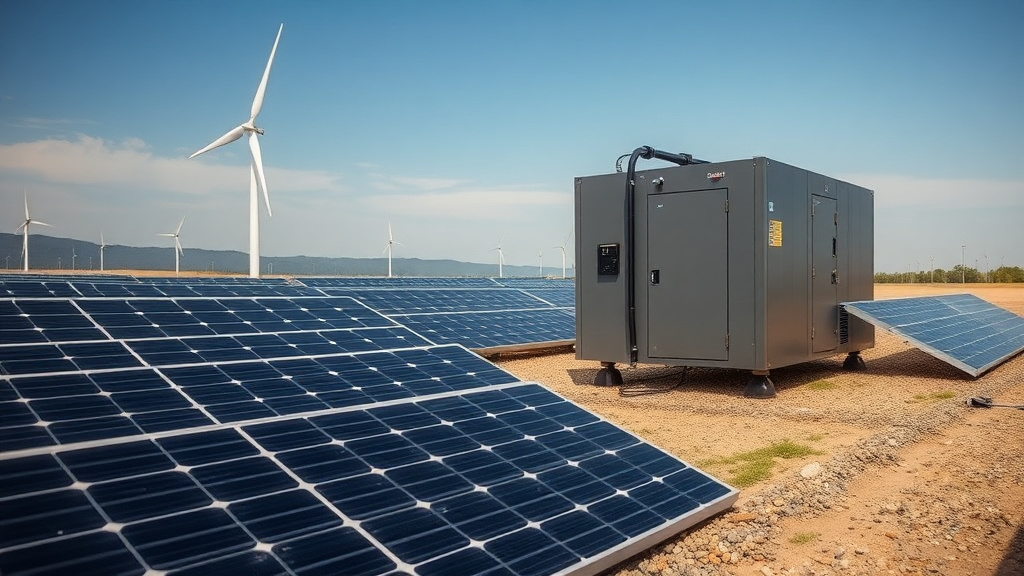
As clean energy options like solar and wind grow more common, a significant obstacle emerges: energy storage when the sun isn’t producing and wind isn’t blowing. Recent breakthroughs in battery technology are turning challenges into solutions, enabling utility-scale storage solutions that promise to transform the power grid. This article examines innovative developments in energy storage technology, their real-world uses, and how they’re paving the way for a cleaner, more dependable energy landscape that successfully combines renewable generation with stable electricity supply.
Overview
The worldwide power landscape is undergoing a significant shift as clean energy technologies grow rapidly at record speeds. Solar and wind installations now account for a substantial share of new power generation capacity worldwide, yet their intermittent nature presents a core obstacle to grid stability. Battery storage technology has become the critical solution, enabling utilities to store surplus power during peak generation periods and distribute it during demand peaks or low renewable output conditions.
Latest technology breakthroughs in lithium-ion battery chemistry, solid-state battery technology, and alternative energy storage systems have dramatically improved performance metrics in multiple areas. Energy density has increased substantially, while production costs have declined by over seventy percent over the last ten years alone. These advances have made grid-scale battery storage economically viable for power utilities, converting what was once considered too costly into a competitive alternative to conventional fossil fuel power plants.
The impacts of these developments go far beyond simple energy storage. Grid-scale battery systems now facilitate increased penetration of renewable power sources while upholding reliability and power quality standards. They provide vital grid services such as frequency regulation, voltage support, and quick response to changes in demand, substantially transforming how modern electrical grids operate and opening the door to a truly clean energy future.
Key Details
Large-scale battery storage systems represent a core shift in how utilities handle electricity demand and supply. Contemporary lithium-ion batteries, combined with new technologies like flow-based batteries and solid-state designs, now provide unmatched energy density and operational efficiency. These developments enable storage facilities to store renewable energy for days or even weeks, effectively separating power generation from consumption patterns and maintaining grid stability regardless of weather conditions or time of day.
The market environment for battery storage has transformed dramatically, with costs dropping more than seventy percent in the past decade. This cost reduction milestone makes large-scale deployment financially viable for grid operators and utilities worldwide. Enhanced manufacturing processes, streamlined supply chain operations, and increased competition among producers continue driving prices downward, making large-scale battery storage competitive with traditional fossil fuel power plants for handling peak demand and backup generation.
Integration challenges remain controllable thanks to sophisticated software systems and smart grid technologies. Advanced algorithms optimize battery charging and discharging cycles, maximizing lifespan while satisfying immediate grid requirements. Regulatory frameworks are evolving to accommodate these systems, with governments implementing supportive policies including tax incentives, clean energy requirements, and market mechanisms that encourage storage deployment, accelerating the transition toward completely renewable energy grids.
Outlook
The outlook of grid-scale battery storage seems exceptionally favorable as innovation in technology continue to accelerate. Industry experts predict that battery costs will decline by another 50-70% in the coming decade, making storage solutions progressively affordable for utilities globally. In parallel, emerging technologies like solid-state batteries and flow batteries deliver significantly enhanced energy density and lifespan, additionally improving the viability of broad-scale rollout across diverse geographic regions and climate conditions.
Government policies and investment incentives are serving as a key driver in directing this path. Countries worldwide are setting aggressive clean energy goals and introducing favorable policy structures that promote battery storage integration. These initiatives, combined with growing corporate commitments to carbon neutrality, are creating unprecedented demand for next-generation storage technologies. This convergence of policy support, commercial interest, and innovation advances establishes energy storage as a cornerstone technology for achieving worldwide emissions reduction targets.
The move to sustainable power alongside grid-scale battery storage marks a major change in how nations produce and use electricity. As these innovations develop and costs remain on a downward trend, broad implementation will enable higher penetration of renewables while preserving grid dependability and strength. This progression promises a greener, more environmentally responsible energy landscape where renewable power serves as the leading provider of international energy supply in the years ahead.
