
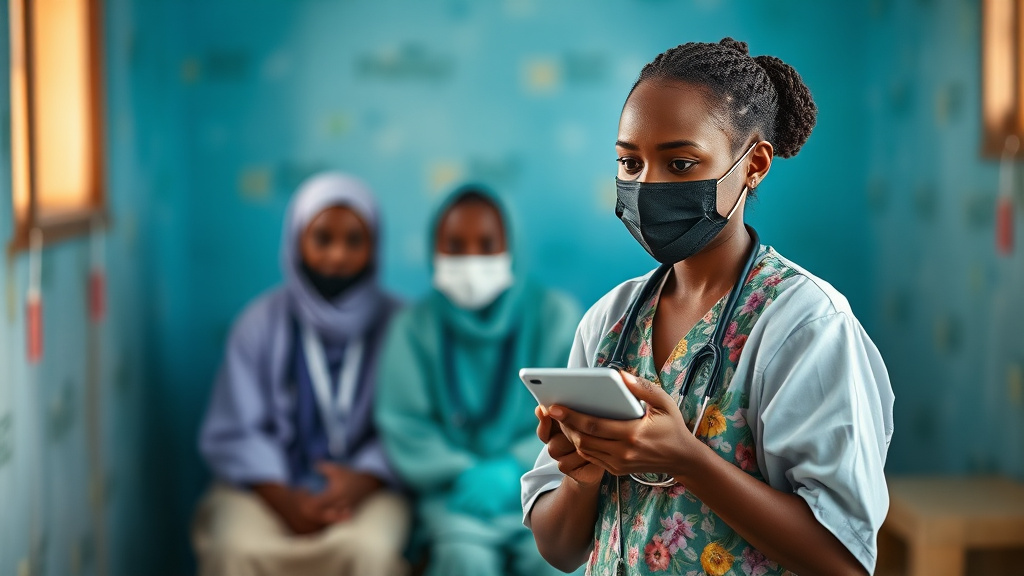
Every year, diseases that can be prevented claim millions of lives in resource-poor nations, yet proven solutions remain inaccessible for vulnerable populations. Recognizing this critical gap, the World Health Organization has launched comprehensive initiatives to strengthen prevention approaches across areas with limited resources. This article explores WHO’s innovative approaches, including improved surveillance systems, vaccine distribution programs, and community health worker training, intended to reduce mortality and establish resilient healthcare infrastructure where it matters most.
WHO’s Holistic Approach to Preventing Disease
The World Health Organization has created a multi-pronged plan to combat disease in resource-limited settings, tackling the underlying factors of health inequities. By integrating research-backed programs with community knowledge, WHO focuses on creating sustainable solutions that transcend temporary aid. This approach understands that successful disease control requires cooperation among multiple sectors, encompassing education, sanitation, and nutrition, guaranteeing broad safeguards for marginalized groups.
Central to WHO’s mission is the principle of fair health distribution, guaranteeing that all individuals have access to preventive services regardless of economic status. The organization collaborates with government bodies and community organizations to adapt strategies to local requirements and cultural factors. Through coordinated collaborations and mutual accountability, WHO strengthens communities to assume responsibility for their health outcomes, promoting enduring strength and self-reliance in disease prevention efforts.
Establishing Local Healthcare Systems
Strengthening healthcare infrastructure serves as the cornerstone of WHO’s prevention programs in resource-limited settings. The organization commits resources to establishing and upgrading health facilities, from rural clinics to regional diagnostic centers, ensuring communities have access to critical care. These facilities function as centers for epidemiological tracking, immunization programs, and pregnancy and childbirth care, directly reducing mortality rates and boosting public health indicators in resource-scarce regions.
Infrastructure development goes further than physical facilities to incorporate dependable distribution networks for medications and diagnostic equipment. WHO supports the development of cold chain systems for vaccine storage, testing center networks for pathogen identification, and reporting infrastructure for real-time health data reporting. These interconnected systems establish a strong infrastructure that facilitates rapid response to disease outbreaks and ensures ongoing availability to critical treatments for underserved populations.
Workforce Development and Training Programs
WHO acknowledges that sustainable disease prevention depends on training qualified healthcare workers at all levels. The organization delivers comprehensive training programs for physicians, nurses, laboratory technicians, and community health workers, providing them with current knowledge and practical skills. These programs integrate classroom instruction with hands-on experience, ensuring healthcare professionals can effectively diagnose diseases, administer treatments, and educate communities about disease prevention methods in their local contexts.
Capacity development goes far past initial training to include continuous skill-building and mentorship opportunities. WHO creates learning networks linking healthcare workers across countries, facilitating knowledge sharing and best practice adoption. By supporting workforce development and creating pathways for career advancement, the organization ensures that low-income countries keep qualified personnel, limiting talent loss and building sustainable healthcare workforces capable of addressing current and emerging health challenges.
Effects on At-Risk Groups
The WHO’s enhanced illness prevention strategies focus on the health disparities affecting vulnerable populations in low-income countries. By deploying targeted vaccination programs and enhancing health system capacity, these initiatives ensure that underserved populations gain equal access to life-saving interventions. Women and children alongside elderly individuals especially gain from strengthened detection systems that allow early disease detection and quick action, reducing mortality rates considerably.
Community health workers act as essential links between healthcare systems and at-risk groups, offering culturally tailored education and preventive care. The WHO’s capacity-building programs enable community health leaders to recognize disease risks, administer immunizations, and encourage health-promoting actions within their communities. This ground-level strategy builds trust, addresses language barriers, and ensures that disease prevention strategies align with populations historically underserved by traditional healthcare systems.
Upcoming Projects and International Collaborations
The World Health Organization is dedicated to growing its prevention and control efforts through deliberate resource allocation in digital tools and facilities across resource-limited settings. Forthcoming initiatives will focus on strengthening laboratory infrastructure, implementing advanced diagnostic tools, and creating real-time monitoring systems. These initiatives aim to support timely recognition and rapid response to evolving health challenges, ultimately decreasing disease load and mortality rates in disadvantaged groups worldwide.
Global alliances remain essential to WHO’s mission of achieving fair health results. The organization is actively collaborating with governmental bodies, NGOs, and commercial partners to mobilize resources and expertise. These partnerships will facilitate information exchange, technology transfer, and sustainable funding mechanisms, guaranteeing that disease prevention strategies are not only implemented effectively but also maintained long-term for enduring results in low-income countries.
